Types of Roof Flashing and Where Each Is Used
People searching for roof flashing often want to ensure their roof stays watertight, and local contractors can provide expert installation and advice on the right types for their needs.
Understanding the different types of roof flashing and where each is used is an important step for property owners looking to protect their homes from water intrusion and structural damage. Properly installed flashing directs water away from vulnerable areas such as vents, chimneys, and valleys, helping to extend the lifespan of a roof. For those in the area, exploring this topic can reveal practical insights into how different flashing materials and configurations serve specific parts of a roof, and how choosing the right type can make a significant difference in long-term durability. Local contractors specializing in roof flashing can provide tailored solutions and expert installation that align with the unique features of each property.
Property owners who want to ensure their roofs are well-protected often turn to experienced service providers for guidance and installation. Knowing the types of roof flashing and where each is used can help in making informed decisions about maintenance or upgrades. Whether dealing with a new build or repairing existing flashing, local professionals are equipped to recommend and install the most appropriate options for every part of a roof. Continuing to explore this subject can empower homeowners to better understand their roofing needs and connect with trusted service providers who can deliver quality results.
- Step flashing - needed at roof-to-wall intersections to prevent leaks, with local contractors carefully installing to ensure proper water runoff.
- Continuous flashing - used around roof penetrations like chimneys and vents, where experienced service providers ensure a seamless barrier to moisture intrusion.
- Drip edge flashing - installed along eaves and rakes to direct water away from fascia, with local pros ensuring proper placement for effective drainage.
- Valley flashing - required in roof valleys to prevent water pooling, with specialists shaping and securing it for optimal performance.
- Base flashing - applied at roof penetrations and transitions to prevent water entry, with service providers tailoring installation to the specific roof design.


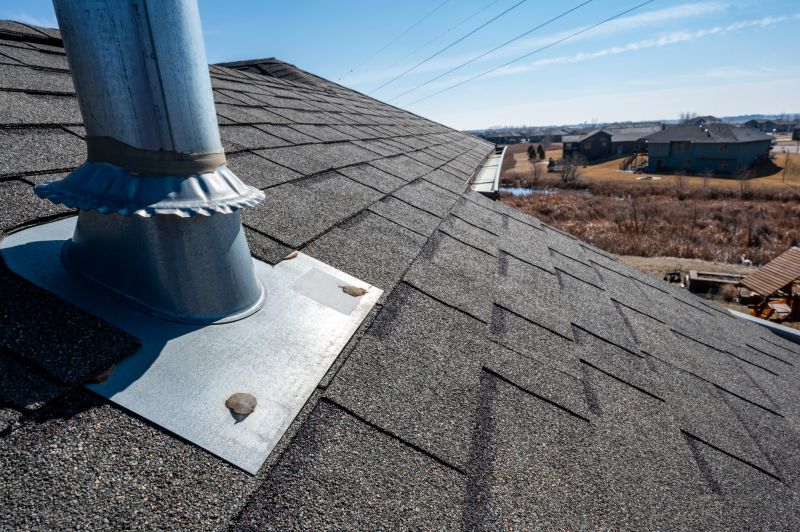
When homeowners search for information about types of roof flashing and where each is used, they are often trying to understand how different flashing materials and designs protect their property from water intrusion. Roof flashing is a crucial component that seals joints, valleys, and intersections where the roof meets other structures, such as chimneys, vents, or walls. Problems related to improper or damaged flashing can lead to leaks, water stains, and structural damage, prompting many to seek guidance on the best types for their specific property. Whether planning a new installation or repairing existing flashing, understanding the various options helps homeowners make informed decisions and ensures their roofs remain durable and watertight.
Different types of roof flashing are suited to specific areas and functions on a property. For example, step flashing is commonly used along roof-to-wall intersections, providing a layered seal that directs water away from vulnerable joints. Chimney flashing, often made from metal, is designed to fit snugly around chimney bases to prevent leaks where the chimney penetrates the roof. Vent and pipe flashings are typically made from flexible materials like rubber or metal and are used to seal around roof penetrations, accommodating movement and expansion. Each type of flashing is selected based on the location on the roof, the materials used in the roofing system, and the expected exposure to weather elements, making it essential to work with local contractors who understand the nuances of these applications.
Property types that frequently require different roof flashing solutions include residential homes, multi-family buildings, and commercial properties. Single-family homes often need flashing around chimneys, skylights, and roof vents, especially in areas with complex rooflines or older structures. Multi-unit residential or commercial properties may have larger or more intricate roofing systems, requiring specialized flashing techniques to ensure comprehensive protection. Flat roofs, common in commercial buildings, often use continuous metal flashing to prevent water pooling and leaks. Local service providers experienced in these varied property types can assess the specific needs of each project, recommend appropriate flashing materials, and ensure proper installation to safeguard the property against water damage over time.
Understanding the types of roof flashing and where each is used helps homeowners connect the dots between their property’s roofing needs and the expertise of local contractors. Proper flashing installation not only prevents leaks but also extends the lifespan of the roof and the building itself. By working with local pros who know the best practices for each flashing type and application, property owners can address existing issues or plan effective upgrades. This knowledge ensures that every project-whether repairing a small leak or installing a new roof-includes the right flashing solutions tailored to the property’s design and environmental conditions.
Roof repair projects - identifying and fixing leaks or damage often requires understanding different types of roof flashing and their proper installation, which local contractors can handle.
Chimney and skylight installation - these projects involve installing flashing to prevent water intrusion, requiring skills similar to those used in roofing flashings.
Gutter and drainage system upgrades - proper flashing installation is essential to ensure water flows correctly, making this a related skill area for local service providers.
Venting and exhaust system installations - ensuring proper sealing around vents and exhausts involves knowledge of flashing types and placement.
Roof insulation and ventilation projects - these often require flashing adjustments to optimize moisture protection and airflow, involving planning skills comparable to roof flashing work.
Slope and roof pitch modifications - altering roof angles demands precise flashing placement to maintain waterproofing, aligning with the skills used in roof flashing services.

When comparing service providers for roof flashing, it’s important to consider their experience with similar projects. Homeowners should inquire about how many times a contractor has installed or repaired different types of roof flashing, especially in situations comparable to their own. A contractor with a proven track record handling various flashing materials-such as metal, rubber, or specialized sealants-can be more confident in delivering effective results. Additionally, reputable local contractors often have established relationships with suppliers and a history of working on projects similar in scope and complexity, which can contribute to a more seamless installation process.
Clear written expectations are essential when evaluating roof flashing services. Homeowners should seek detailed descriptions of the work scope, including the types of flashing that will be used and where each is appropriate. This helps ensure that both parties are aligned on the project’s goals and reduces the chances of misunderstandings. A professional service provider will also be transparent about the materials, techniques, and warranties associated with their work, giving homeowners a clearer understanding of what to expect and how the installation will protect their home over time.
Good communication and reputable references are key factors in choosing the right local contractor for roof flashing. Service providers who are responsive and willing to answer questions about the different types of flashing and their specific applications demonstrate a commitment to transparency. Additionally, seeking references or reviews from previous clients who had similar work done can provide insight into the contractor’s reliability and quality of craftsmanship. This information helps homeowners feel more confident in selecting a professional who can effectively handle the nuances of roof flashing and ensure the longevity and performance of their roofing system.
Property owners often search for types of roof flashing and where each is used when they are planning practical projects around their homes and businesses. Local pros provide Roof Flashing services for everyday jobs and straightforward project options.


Understanding the different types of roof flashing and where each is used can help property owners identify potential issues and know when to seek professional assistance. Common types include step flashing, continuous or apron flashing, and valley flashing, each designed for specific areas such as roof intersections, chimneys, or roof valleys. For example, step flashing is typically installed around walls or chimneys to prevent water intrusion at joints, while valley flashing is used in roof valleys to channel water away efficiently. When considering roof flashing services, local contractors can evaluate the unique features of a roof and recommend the best types of flashing to ensure proper protection and durability.
Property owners often look up this topic to better understand how flashing works and to recognize signs of wear or damage that might require professional repair or replacement. Proper installation and maintenance of roof flashing are essential for preventing leaks and water damage, especially in areas prone to heavy rain or snow. Local service providers who specialize in roof flashing can assess existing flashing, suggest suitable types for different parts of the roof, and perform necessary repairs or installations. Connecting with experienced contractors ensures that the right flashing is used in the right places, helping to extend the lifespan of the roof and maintain the property’s integrity.
What are the common types of roof flashing? Common types of roof flashing include step flashing, continuous or apron flashing, and valley flashing, each designed for specific roof features and weather protection needs.
Where is step flashing typically used? Step flashing is usually installed along roof walls, chimneys, and where roof planes intersect to prevent water intrusion at these joints.
When should I consider using valley flashing? Valley flashing is used in roof valleys where two roof slopes meet, directing water away from the valley and preventing leaks.
What is the purpose of apron flashing? Apron flashing is installed at roof edges, dormers, and around skylights to seal and protect these vulnerable areas from water penetration.
Can local roof flashing services help with different flashing types? Yes, local contractors can assess your roof and install or repair various types of roof flashing to ensure proper water drainage and protection.
Understanding step flashing - property owners can incorporate step flashing around chimneys and walls to prevent water intrusion, with local contractors handling the installation.
Using apron flashing - apron flashing can be applied at roof penetrations like skylights or vents to create a waterproof barrier, with local service providers managing the work.
Installing continuous flashing - continuous flashing is ideal for covering long roof edges or valleys, helping to direct water away from the roof structure with help from local pros.
Choosing valley flashing - valley flashing is essential for roof intersections where two slopes meet, and local contractors can ensure proper placement for effective water runoff.
If you are thinking about types of roof flashing and where each is used for a property, this guide is meant to help you understand this topic, the typical project types, and how different options might fit your plans.
When you are ready, you can use the quote form on this page to share a few details about your project. From there, local pros can review the basics and follow up with options that match what you have in mind.