Home Cladding Installation in Boston, MA
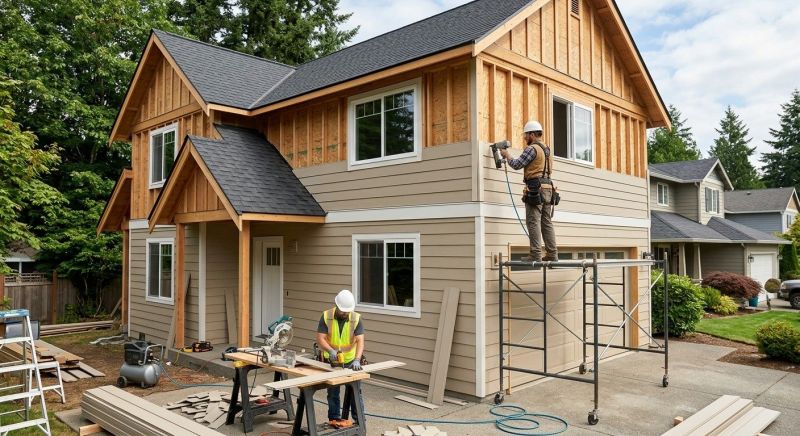
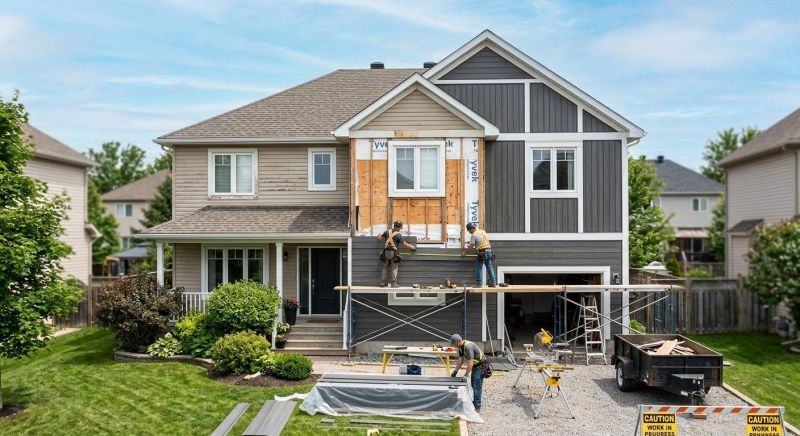
Home cladding installation services involve adding exterior coverings to a property’s walls to enhance durability, insulation, and aesthetic appeal. These projects typically include upgrading or replacing existing siding, installing new cladding on new construction, or improving the exterior appearance of residential buildings such as houses, townhomes, or multi-family units. Property owners often want to understand the different types of cladding materials available-such as vinyl, fiber cement, wood, or metal-and how each can complement their home’s style and withstand local weather conditions. Additionally, many seek guidance on the installation process, maintenance requirements, and the overall impact on property value.
Before requesting cladding installation, homeowners usually want to consider factors like the durability of the material, compatibility with existing structures, and the visual outcome. Understanding the scope of the project, including preparation work and potential disruptions, is also important. Property owners may inquire about the installation timeline, warranty options, and any necessary permits or inspections required by local regulations. Clear information about these aspects can help ensure the project aligns with their expectations and long-term property goals.
Many property owners in Boston, MA look into Home Cladding Installation for repairs, replacements, upgrades, and appearance-related improvements.
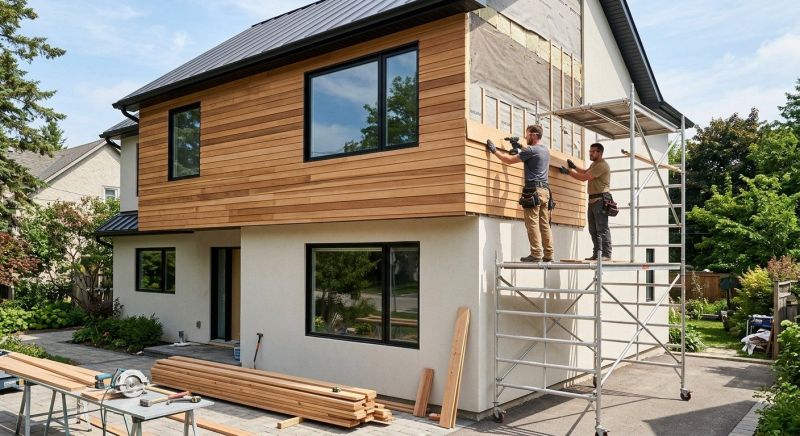
Enhancing Exterior Durability
Home cladding helps protect buildings from weather and wear over time.
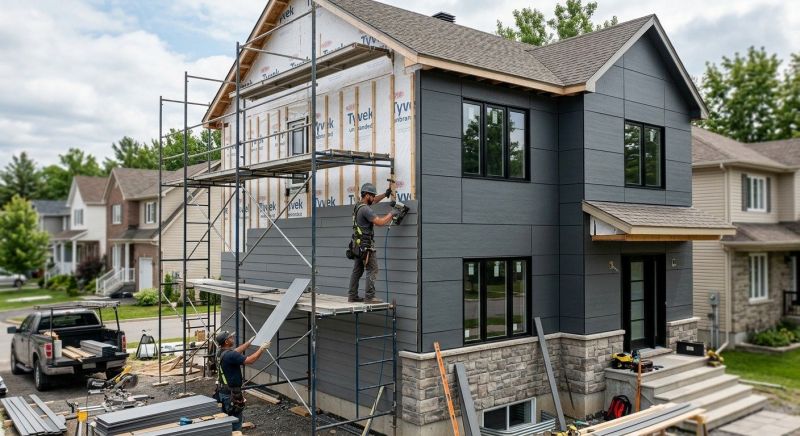
Aesthetic Improvements
Cladding options can update the look of homes and increase curb appeal.
Property Value Benefits
Upgraded cladding can contribute to higher property value and long-term savings.
Home Cladding Installation in Boston, MA

Home cladding installation services involve adding exterior coverings to a property’s walls to enhance durability, insulation, and aesthetic appeal. These projects typically include upgrading or replacing existing siding, installing new cladding on new construction, or improving the exterior appearance of residential buildings such as houses, townhomes, or multi-family units. Property owners often want to understand the different types of cladding materials available-such as vinyl, fiber cement, wood, or metal-and how each can complement their home’s style and withstand local weather conditions. Additionally, many seek guidance on the installation process, maintenance requirements, and the overall impact on property value.
Before requesting cladding installation, homeowners usually want to consider factors like the durability of the material, compatibility with existing structures, and the visual outcome. Understanding the scope of the project, including preparation work and potential disruptions, is also important. Property owners may inquire about the installation timeline, warranty options, and any necessary permits or inspections required by local regulations. Clear information about these aspects can help ensure the project aligns with their expectations and long-term property goals.
Many property owners in Boston, MA look into Home Cladding Installation for repairs, replacements, upgrades, and appearance-related improvements.
Common Home Cladding Installation Jobs
Vinyl Cladding - a popular choice for durable and low-maintenance exterior protection.
Fiber Cement Cladding - ideal for enhancing the weather resistance and aesthetic appeal of homes.
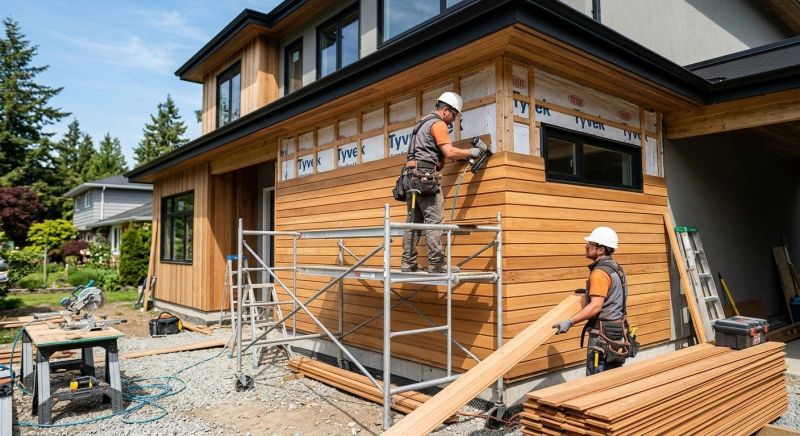
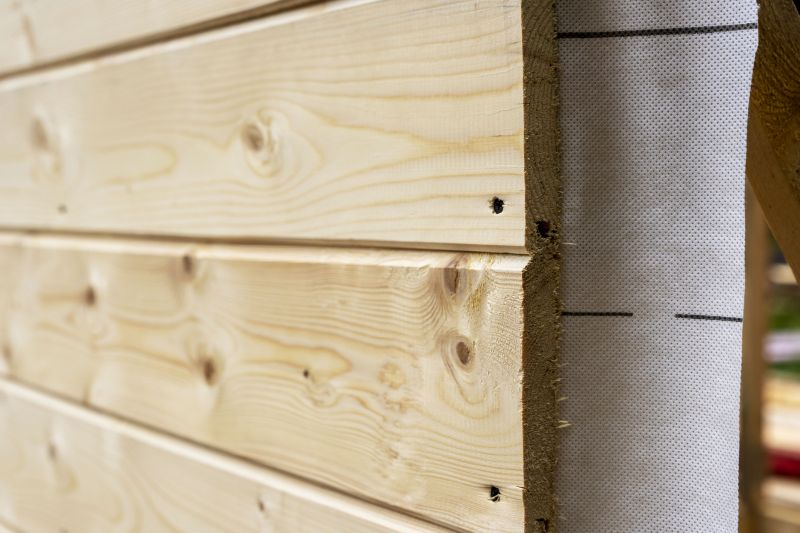
Wood Cladding - provides a natural look that adds warmth and character to residential exteriors.
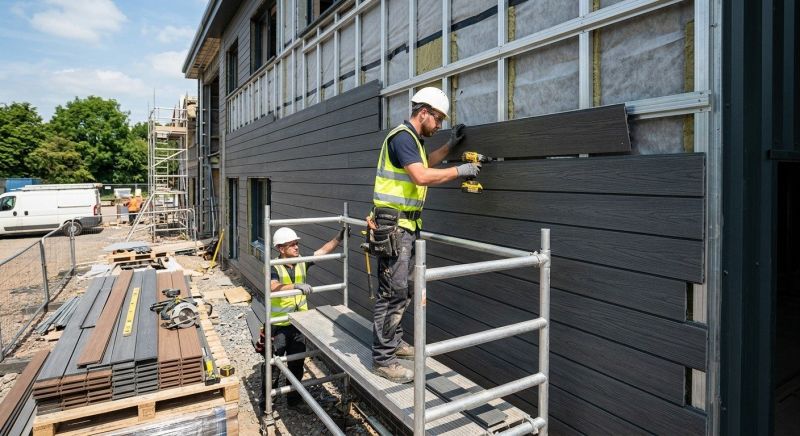
Metal Cladding - offers a sleek, modern appearance with long-lasting performance.
Insulated Cladding - improves energy efficiency while protecting the building envelope.
Stone Veneer Cladding - adds a timeless, elegant finish to exterior walls with minimal weight.
Home Cladding Installation Questions
What types of materials are used for home cladding? Common options include vinyl, fiber cement, wood, and metal, each offering different aesthetic and durability benefits.
Can home cladding improve energy efficiency? Yes, proper cladding can help insulate a property, reducing heat transfer and potentially lowering energy costs.
Is home cladding suitable for all climates? Cladding materials are available to suit various weather conditions, providing protection against moisture, wind, and temperature changes.
What projects typically involve home cladding installation? Cladding is often used for exterior renovations, new construction, or to update the appearance of a property’s facade.
Request Home Cladding Installation in Boston, MA
Use the quote form on this page to share the basics of your project and request more information for the type of work you need.